Your Brain Is Tired, Not Lazy: The Real Reason Students Can't Focus in 2026

 Student Productivity · Mental Health · 2026

Your Brain Is Tired, Not Lazy:
Reason Students Can't Focus in 2026

By SADIA | February 202618 min read

📌 Your brain is tired, not lazy. Discover why students in 2026 struggle to focus, what causes mental fatigue, and a step by step system to restore energy and focus. Learn how to stop feeling lazy and study smarter today.

Have you ever sat down to study, opened your books, and felt completely stuck as if your brain refuses to cooperate? You might tell yourself, "I'm just lazy," but the truth is much more important: your brain is tired, not lazy.

You want to focus. You want to study. But even with the best intentions, your brain is sending a clear signal it's overloaded, exhausted, and in need of a reset. In 2026, students face a unique set of challenges that make concentration more difficult than ever. Endless notifications, constant social media scrolling, multitasking between AI tools, and information overload all compete for your attention.

Your brain, in response, shuts down to protect itself creating that familiar feeling of laziness. But it's not laziness at all. It's your brain saying: "I need energy before I can focus again."

This invisible struggle can make students feel frustrated, guilty, and unproductive. The harder you push yourself, the more your energy drains, creating a cycle of mental fatigue disguised as laziness. Recognizing this is the first step: understanding that your inability to focus is not a personal flaw it's a natural response to cognitive overload.

Tired student studying with books open

"Your brain is not broken. It's not lazy. It's running on empty in a world designed to drain it and it's asking for help."


Laziness vs Mental Exhaustion: Brain Is Tired, Not Lazy
Split visual of resting vs energized brain states


Many students make the mistake of labeling themselves as lazy whenever they struggle to start studying. But here's the key: laziness is a choice, while mental exhaustion is a physical and cognitive state. Understanding this difference is crucial if you want to stop blaming yourself and start studying smarter.

What Laziness Really Means

  • Laziness occurs when you have energy but lack motivation.
  • You could focus if you wanted to, but choose not to.
  • Example: skipping homework to watch TV because you'd rather do something fun.

What Mental Exhaustion Feels Like

  • You want to start, but your brain refuses.
  • Reading a single page feels like climbing a mountain.
  • You drift into distractions automatically (scrolling phone, switching tabs).
  • Even small decisions feel overwhelming.
  • This is when your brain is tired, not lazy.

Why Forcing Yourself Doesn't Work

Trying to push through mental fatigue often backfires:

  • Energy drains faster → lower focus
  • Motivation collapses → more guilt
  • Memory retention drops → studying becomes inefficient

How to Recognize the Difference

Ask yourself:

  1. Do I want to work but can't start? → Mental exhaustion
  2. Do I avoid work because I'd rather do something else? → Laziness
  3. Do small tasks feel impossible despite interest? → Your brain is tired, not lazy

✅ Key Insight

Understanding this distinction is the first step to breaking the cycle. Once you realize that your struggle isn't a personal flaw, you can focus on recharging your brain and restoring energy instead of pushing yourself harder into burnout.


What Happens Inside Your Brain When It's Tired, Not Lazy
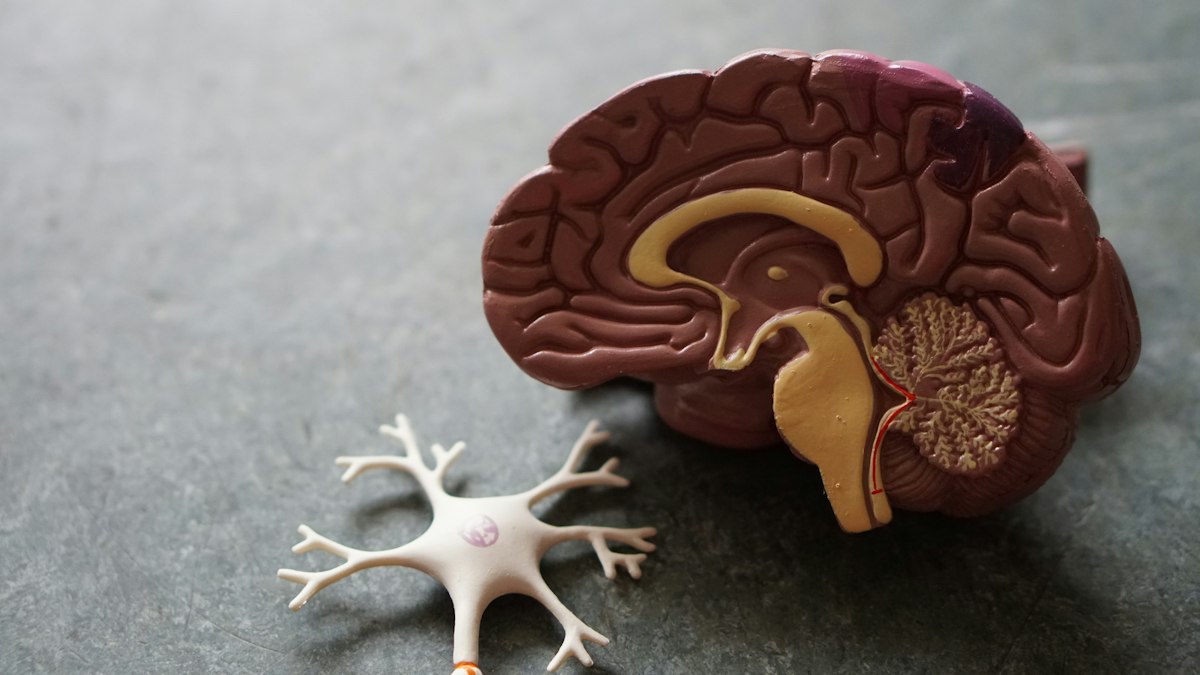
Neuroscience brain activity visualization


When students say, "I'm too lazy to study," the truth is far more scientific: your brain is tired, not lazy. Understanding what's happening inside your brain can help you stop blaming yourself and start working smarter.

  • 01

    Energy Protection Mode

    Your brain is like a battery. Cognitive tasks reading, memorizing, solving problems consume energy. When your brain senses that energy is low, it triggers mental fatigue, slowing down focus and decision making. This isn't laziness it's your brain protecting itself from burnout.

  • 02

    Dopamine & Motivation Hijack

    Modern 2026 student life is full of instant rewards: social media likes, short videos, notifications, and AI tools that give instant answers. These constant dopamine spikes can make studying feel unrewarding. Your brain struggles to switch from short term stimulation to deep focus work which is why you feel lazy even when you want to study.

  • 03

    Cognitive Overload

    Trying to multitask checking messages, switching tabs, or juggling AI apps overloads your brain. Too many choices and interruptions reduce working memory and concentration. The result? Your brain is tired, not lazy, and tasks that once felt simple now feel impossible.

  • 04

    Decision Fatigue

    Every day, your brain makes thousands of decisions. From choosing what to eat to deciding which assignment to start, this constant decision making drains mental energy. When your energy is low, even the smallest decisions become exhausting, making study sessions feel overwhelming.

  • 05

    Mental Rest Is Non Negotiable

    Unlike laziness, mental fatigue cannot be solved by willpower alone. Your brain needs real recovery structured breaks, low stimulation periods, proper sleep, and physical activity. Ignoring these needs only worsens fatigue and makes it harder to focus.

✅ Key Take aways

  • Your struggle to study isn't laziness it's your brain protecting itself.
  • Constant distractions, dopamine overload, and multitasking in 2026 make mental fatigue worse.
  • Recognizing these signs is the first step to regaining focus and energy.
  • Remember: you are not lazy your brain is tired, not lazy.

Why Students in 2026 Are More Mentally Drained?
Student surrounded by phone notifications and multiple screens

If you've ever wondered why it feels harder than ever to concentrate, you're not imagining it. In 2026, students face unique challenges that drain the brain's energy faster, making them feel like they're lazy but in reality, your brain is tired, not lazy.

1. Constant Phone & Social Media Stimulation

Scrolling social media, checking notifications, or watching short videos floods your brain with dopamine. While fun, this overstimulation reduces your ability to focus on tasks that require sustained attention, like studying or writing assignments. The average student checks their phone over 80 times a day each check costs 15 to 23 minutes of deep focus recovery time.

2. Scrolling Fatigue & Information Overload

Modern students consume more information than ever before: messages, emails, news, AI generated content, and online resources. Your brain struggles to process it all, leading to mental exhaustion disguised as laziness. A single 20 minute scrolling session can expose your brain to the equivalent of a week's worth of past generation information.

3. Multitasking & AI Tool Overload

Using multiple apps or AI tools at once may seem efficient, but switching tasks constantly splits your attention. The brain spends energy shifting focus, which quickly depletes your mental reserves. Fractured attention is one of the primary drivers of study fatigue in 2026.

4. Decision Fatigue

Every day, you make hundreds of small decisions what to eat, which assignment to start, which app to check, which AI to use. Decision making consumes mental energy, and by the time you sit down to study, your brain may already be too tired to concentrate effectively.

5. Lack of Structured Breaks

Many students skip breaks to "power through" tasks. But without proper rest, your brain cannot recover. This leads to reduced focus, slower memory retention, and the feeling of being unmotivated even when you want to work.

✅ Key Take aways

  • Modern 2026 students face phone, social media, and AI distractions that exhaust the brain.
  • Mental fatigue is cumulative small decisions, multitasking, and information overload all add up.
  • Feeling "lazy" is often just your brain signaling it's too tired to focus, not a personal failure.

Signs Your Brain Is Tired, Not Lazy

Student looking stressed and overwhelmed at desk


Knowing the difference between laziness and mental fatigue is crucial. When your brain is tired, not lazy, it gives subtle (and sometimes not so subtle) signals. Recognizing these signs early can help you reset, recharge, and study smarter.

✅ Self Check Checklist for Students

  • Difficulty Starting TasksYou want to begin, but even opening your notebook feels exhausting. Starting small tasks seems overwhelming and the intention is there, but the initiation isn't.
  • Constant DistractionsYour phone or tabs pull your attention automatically. You check social media repeatedly without realizing it.
  • ForgetfulnessYou reread the same paragraph multiple times. Information doesn't stick like it used to your memory isn't encoding, it's full.
  • Procrastination Despite MotivationYou genuinely want to work but can't. Feeling "lazy" is frustrating because it's not your choice it's your brain protecting itself.
  • Guilt or Anxiety About ProductivityYou feel guilty for not completing tasks. Anxiety about falling behind increases mental exhaustion further, creating a vicious cycle.
  • Physical & Emotional FatigueHeadaches, eye strain, or low energy. Irritability or lack of patience with small tasks your emotional regulation draws from the same depleted battery.

"If you ticked 3 or more of these your brain is not lazy. It is overloaded. And that is something you can fix."


Why Forcing Yourself Makes It Worse

Student with hands on head, looking stressed and burned out

Many students believe that motivation and willpower alone can overcome mental fatigue. They push themselves to study for hours, skip breaks, or try to multitask through exhaustion. But here's the truth: when your brain is tired, not lazy, forcing yourself only makes things worse.

⚡ Energy Depletion Increases

Pushing through fatigue drains the brain's energy reserves faster. Instead of improving focus, it slows cognitive processing and reduces memory retention by up to 40%.

😔 Motivation Collapses

When the brain is exhausted, it resists tasks even if you want to do them. Forcing action leads to frustration and guilt creating a vicious cycle of mental exhaustion.

🔥 Burnout Risk Rises

Ignoring signs of fatigue can lead to chronic stress, mental burnout, and decreased academic performance. Burnout often looks like laziness from the outside, but it's a serious warning sign.

📉 Productivity Becomes Inefficient

You might spend hours "studying" but retain very little. Fatigue reduces the brain's ability to concentrate and encode information the more you force, the less effective it becomes.

How to Break the Cycle

Instead of pushing harder:

  • Recognize that your brain is tired, not lazy.
  • Take structured breaks to restore mental energy.
  • Use energy management techniques instead of relying solely on motivation.

🔗 Further Reading: Burnout & Recovery


The Brain Reset Method: Step by Step Energy Recovery

Student in calm, focused study environment with notebook and coffee


When your brain is tired, not lazy, the key to regaining focus isn't willpower it's restoring your energy and attention. The Brain Reset Method is a simple, actionable system students can follow to recharge mentally and study efficiently.

1

Reduce Stimulation

Before you can restore focus, you need to stop the dopamine flood. Your brain cannot reset while being continuously bombarded.

  • Turn off notifications on your phone and computer.
  • Close unused tabs and apps every open tab creates subconscious cognitive load.
  • Schedule short phone free periods of at least 30 minutes during study sessions.
  • Use focus apps like ForestFreedom, or "Do Not Disturb" mode to minimize distractions.
  • Replace morning scrolling with 5 minutes of silence this lets your brain's self cleaning cycle activate.
2

Restore Attention

Attention is a muscle. It atrophies without use and it can be strengthened with the right exercises.

  • Take short, mindful breaks every 25 to 50 minutes (Pomodoro technique).
  • Practice deep breathing or 2 to 5 minute meditation to calm the mind.
  • Do a micro task like organizing your desk or stretching helps the brain reset without overloading.
  • Reduce task switching every switch burns extra energy re engaging.
3

Deep Focus Blocks

Allocate 60 to 90 minute blocks for deep work where distractions are minimized. Create consistent, protected time for high quality learning.

  • Use active recall and spaced repetition when studying not passive rereading.
  • Work on one task at a time instead of multitasking.
  • Reward yourself after completing a focus block (short break or a healthy snack).
  • Study environment matters: clean, dedicated space signals your brain that it's time to focus.
4

Recovery & Mental Recharge

Recovery is not optional. It is the other half of the performance equation.

  • Sleep 7 to 9 hours; memory consolidation happens during sleep, not while studying.
  • Stay hydrated; dehydration of just 1–2% measurably impairs focus, memory, and mood.
  • Eat brain friendly foods; (nuts, fruits, protein, oats) avoid sugar spikes that cause cognitive crashes.
  • Include light physical activity; even a 10-min walk boosts BDNF, improving learning by 15–20%.
  • Reflect on your study session: note what worked and what caused fatigue.

✅ Key Take aways for Students

  • The Brain Reset Method ensures that your tired brain can recover effectively.
  • Structured breaks, focus blocks, and physical & mental rest improve memory retention, concentration, and productivity.
  • Consistency beats intensity a small daily routine is better than occasional intense sessions.

A Simple Daily Routine to Stay Mentally Fresh

Student with clean morning desk setup, coffee, and planner


Following a daily routine ensures that your brain stays energized and focused throughout the day. Here's a student friendly 2026 schedule you can follow adjust the exact times, but keep the sequence:

TimeActivityBrain Benefit
7:00 AMWake up + glass of water (NO phone)Hydrates brain, avoids early dopamine crash
7:15 AM10 min light exercise / walkActivates BDNF brain growth hormone
7:30 AMHealthy breakfast (protein + carbs)Steady glucose = sustained focus
8:00 AMPlanning set top 3 tasks for todayReduces decision fatigue later in day
8:30 AMStudy Block 1 (60 to 90 min, phone away)Peak prefrontal cortex performance window
10:00 AMBreak (10 min) hydrate, stretchResets attention span, restores neurotransmitters
10:10 AMStudy Block 2 (50 to 60 min, Pomodoro)Consolidates learning from Block 1
12:00 PMLunch, step away from all screensEmotional recovery + digestion focus
1:00 PMShort walk / mental reset (15 min)Post lunch dip recovery, cortisol reset
1:30 PMStudy Block 3 (60 min)  review / recallSpaced repetition effect begins
2:30 PMBreak (15 min) music, meditate, or brief napSecond wind preparation
4:00 PMReview & summarize notes (30 to 45 min)Memory encoding & retention boost
5:00 PMFree time / hobbies NO studyingNatural brain recovery
7:00 PMDinner & light social, avoid heavy screensMelatonin production begins
9:00 PMLight reading or journalingWinds down the prefrontal cortex
10:30 PMSleep aim for 7 to 9 hoursFull cognitive reset & memory consolidation

✅ Key Principles

  • Protect the first 30 minutes of your morning no phone, no news, no stimulation.
  • Align deep focus work with your natural energy peaks (morning and early afternoon).
  • Treat breaks as part of the study system not as interruptions to it.
  • Consistency beats intensity a moderate daily routine outperforms extreme sessions followed by crashes.

Common Mistakes Students Keep Making

Student pulling hair in frustration over study materials


Even when you know your brain is tired, not lazy, it's easy to fall into habits that drain energy and reduce focus. Avoiding these mistakes can help you study smarter, retain information better, and maintain mental energy throughout the day.

❌ The 5 Biggest Study Mistakes in 2026

1. Skipping Breaks to "Power Through"

Many students think skipping breaks increases productivity. Reality: your brain needs downtime to process information. Ignoring breaks increases fatigue and reduces retention you're studying harder to learn less.

2. Multitasking During Study Sessions

Switching between tabs, apps, or devices splits attention. Multitasking may feel efficient, but it overloads your cognitive resources, making deep focus nearly impossible. Single task instead.

3. Studying Without Prioritization

Jumping between tasks without planning causes decision fatigue. Identify your top 3 important tasks per day to maintain energy and efficiency don't let your study session be another source of overwhelm.

4. Ignoring Sleep and Nutrition

Late night cramming and skipping meals may feel productive temporarily. But chronic sleep deprivation and poor nutrition reduce focus, memory, and motivation making you feel "lazy" even when you want to work.

5. Relying Only on Motivation

Motivation fluctuates naturally it's not reliable. Sustainable focus comes from energy management, routines, and structured breaks, not willpower alone. Build the system; motivation follows.

✅ Key Takeaways

  • Avoiding these mistakes ensures that your brain stays energized and focused, not fatigued.
  • Recognize that poor habits can make you feel lazy but in reality, your brain is tired, not lazy.
  • Implementing proper routines and recovery strategies prevents burnout and improves study efficiency.

Student celebrating a breakthrough moment with open arms


Final Realization: You Were Never Lazy

By now, it should be clear: feeling unmotivated or struggling to focus doesn't mean you're lazy. When your brain is tired, not lazy, it's sending signals that it needs rest, structure, and smarter energy management.

Understanding this changes everything.

  • Stop blaming yourself, mental fatigue is natural, especially in 2026's fast paced student lifestyle.
  • Work with your brain, not against it follow the Brain Reset Method.
  • Small changes make a big difference start with just one step tomorrow morning.
  • Motivation follows energy rest your brain, and focus comes naturally.

Next time you feel "lazy," pause and ask yourself: Am I tired, or am I truly avoiding work?

The answer is likely the former. Take that as your cue not for guilt, but for recovery.

Comments

Popular posts from this blog

Top 10 Free AI Tools for Students in 2026 to Boost Learning

  Top 10 Free AI Tools for Students in 2026 to Boost Learning Discover the 10 best free AI tools for students in 2026. Learn how these free AI tools for students can improve your study, assignments, and productivity. Introduction In 2026, students face a growing challenge: managing multiple assignments, projects, and exam preparations efficiently. Fortunately, free AI tools for students are here to make studying smarter and faster. These tools help students save time, improve accuracy, and boost productivity in ways that traditional methods can’t match. With the rise of digital learning, free AI tools for students can assist in drafting essays, checking grammar, summarizing notes, and even creating visually appealing presentations. By using these tools, students can focus more on understanding concepts rather than spending hours on repetitive tasks. From high school to university, integrating free AI tools for students into daily study routines has become a game changer. Not ...

Best AI Writing Tools for Bloggers and Content Writers 2026

Best AI Writing Tools for Bloggers and Content Writers 2026 Discover the best AI writing tools in 2026 for bloggers and content writers. Learn how the best AI writing tools improve productivity and help you rank higher on Google. Introduction: The world of blogging has evolved rapidly, and in 2026 content creation is more competitive than ever before. Every day thousands of articles are published online, and search engines now evaluate quality, structure, readability, and user intent instead of just keywords. Because of this, writing a successful article requires research, outlining, drafting, editing, and SEO optimization all of which can be time consuming for bloggers and content writers. This is why many creators are now relying on the best AI writing tools to simplify their workflow. These tools help generate ideas, organize information, improve grammar, and optimize articles for search engines within minutes. Instead of spending hours struggling with a blank page, writers can...

How to Start Learning Tech From Zero: Beginner Digital Skills Guide

How to Start Learning Tech From Zero: Beginner Digital Skills Guide: “Learn how to start learning tech from zero with this beginner friendly guide. This article shows exactly how to start learning tech from zero , step by step, to build essential digital skills and grow your knowledge from home.” Introduction: How to Start Learning Tech From Zero: Technology is everywhere. From the apps on your phone to the tools people use to work, create, and earn online, it shapes almost every part of modern life. But if you’re just starting out, stepping into the world of tech can feel overwhelming. The sheer number of skills, platforms, and tools might make you wonder: “Where do I even begin?” The good news is that you don’t need a degree, years of experience, or advanced knowledge to get started. Anyone can learn technology the key is taking it step by step, focusing on the fundamentals, and building confidence along the way. In this guide, we’ll show you how to start learning tech from zero...